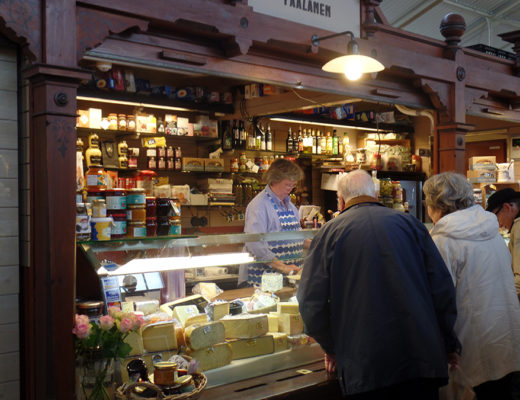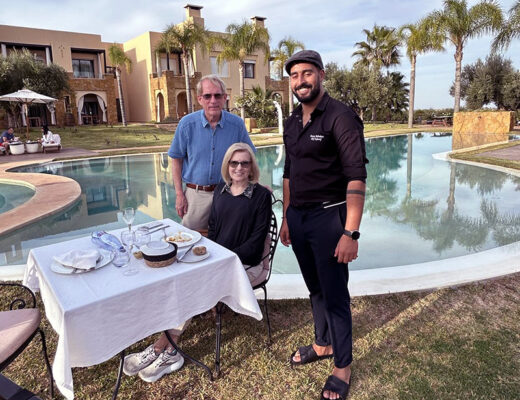
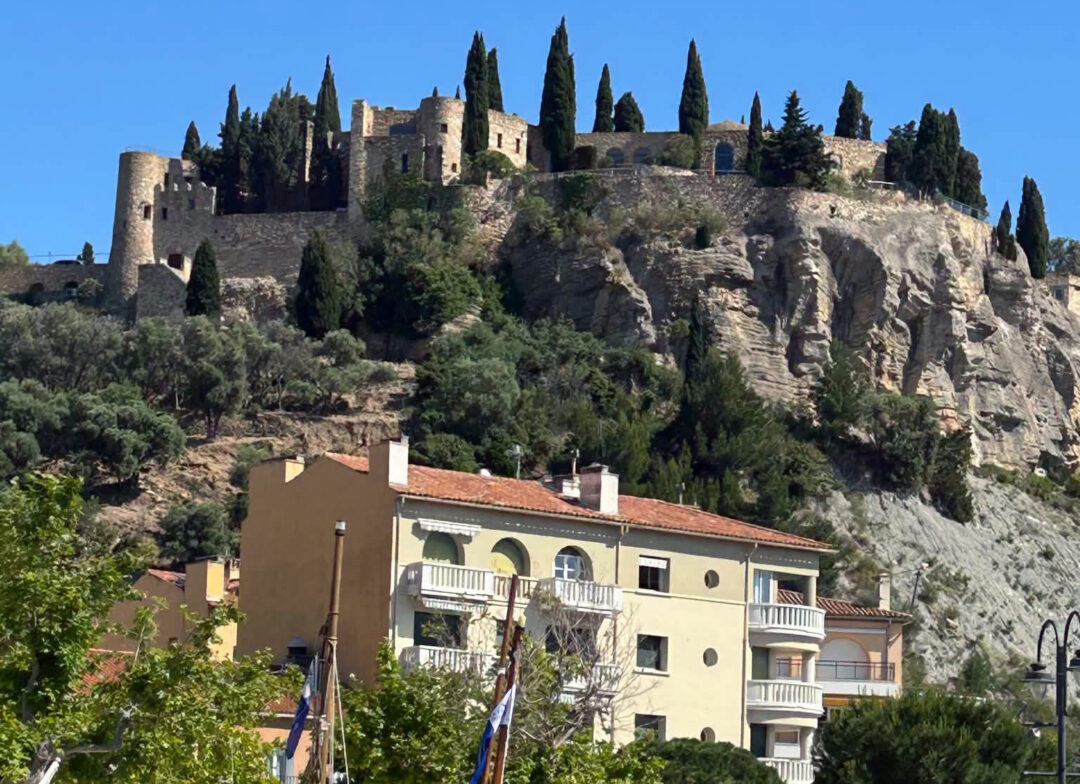
We decided on an uncommon trip. Eastern France, Luxembourg and Belgium by train. Who goes there? Not many I have ever talked to. But the wines from the French part are legendary. Rhone varietals such as St. Joseph (Syrah) and Beaujolais; Alsatian whites such as Reisling and Sylvaner (the driest Alsatian). For most, these are not everyday wines, but excellent with certain meals.
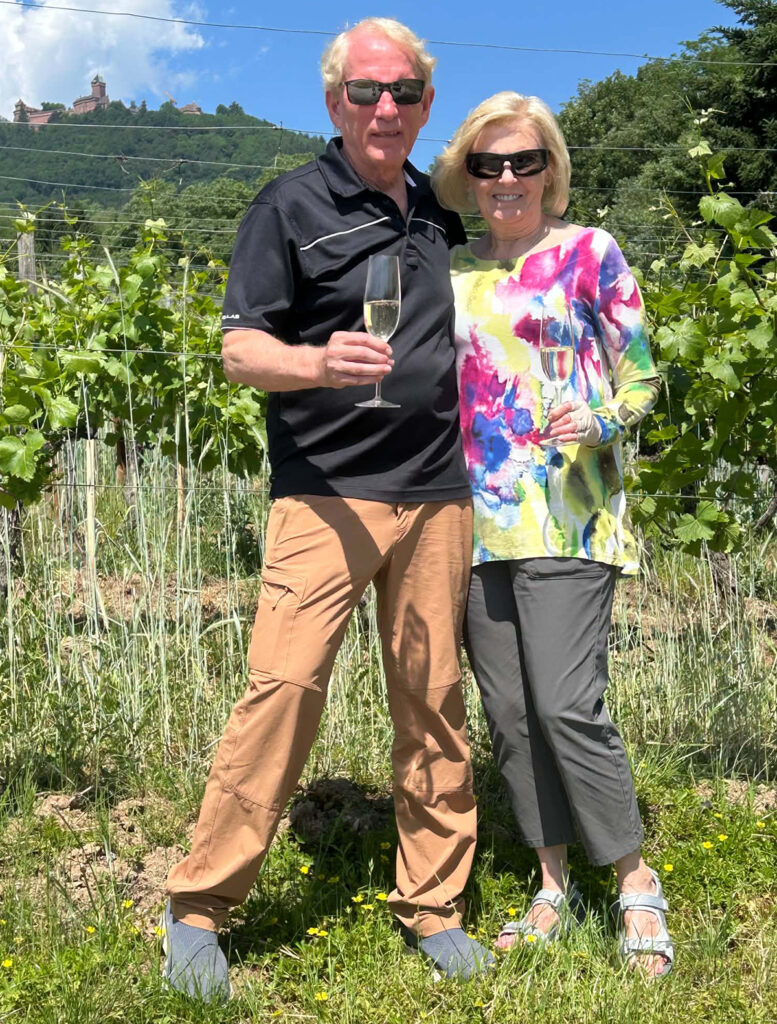
The first insight I want to discuss is don’t decide on your trip based on guide books. The guides made it seem like the food in Luxembourg and Belgium would not appeal to us. We eat a lot of fish and chicken with our myriad vegetables and fruit. The guides made it seem like we were entering a food desert for people like us. They also made clear that beer was the beverage of choice in both countries. We discovered that the truth was different and that brings me to the second insight.
We decided to try local wines recommended by the sommelier in each city. Amazingly we found wonderful white wines, produced within a few miles of each restaurant. We even took an unscheduled trip to Domain Fontainebleau du Provence about an hour from Aix in Provence, our second stop. I am not sure if we were lucky in Brugges, but the first restaurant recommended a local white we loved, although it had different flavor characteristics from all the others on that trip. The next night, the restaurant next door could not accommodate with a local wine. Advice, check with the restaurant before you make the reservation.
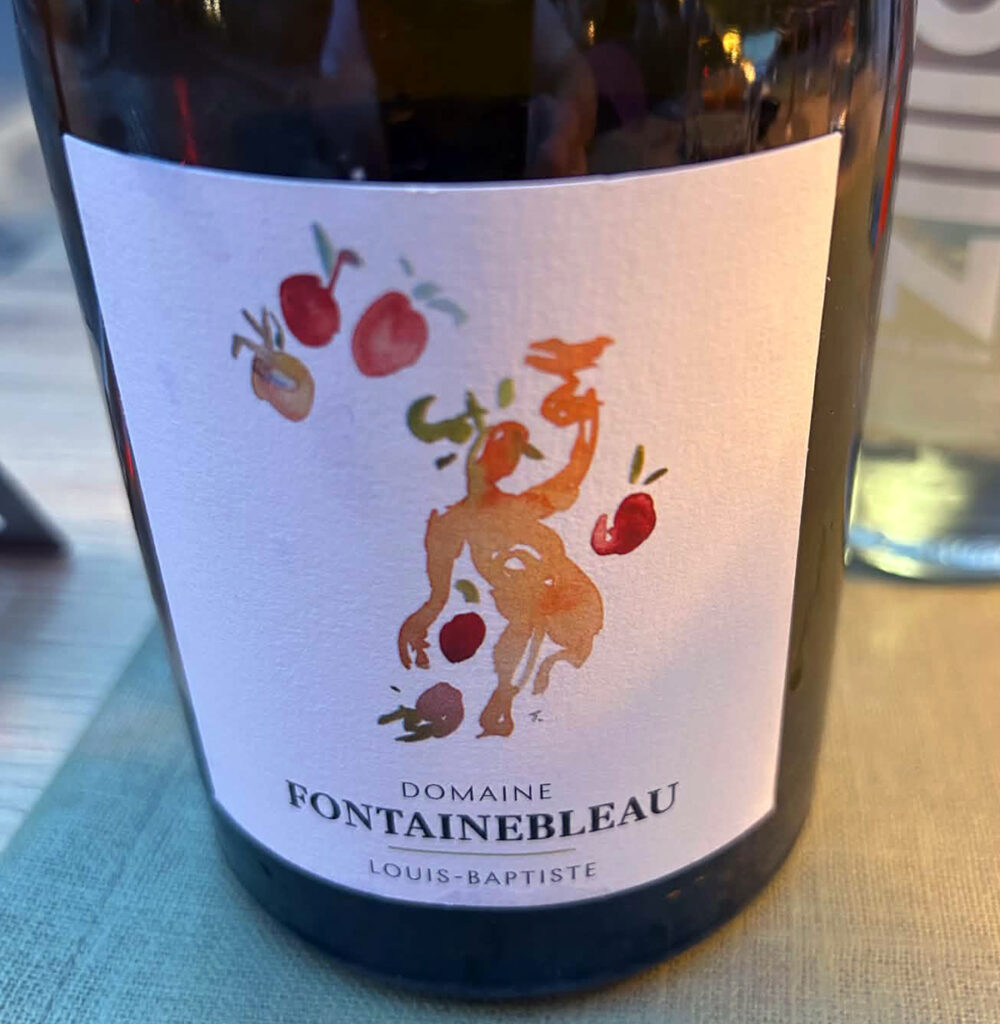
The third insight, a Michelin Star may not serve your palate. In Lyon, where we had a wonderful tour of the Roman ruins, we tried both a Paul Bocuse restaurant (the father of modern gastronomy according to one guide there) and a small place next door. We both thought the meal and the wine were better (to our taste) next door.
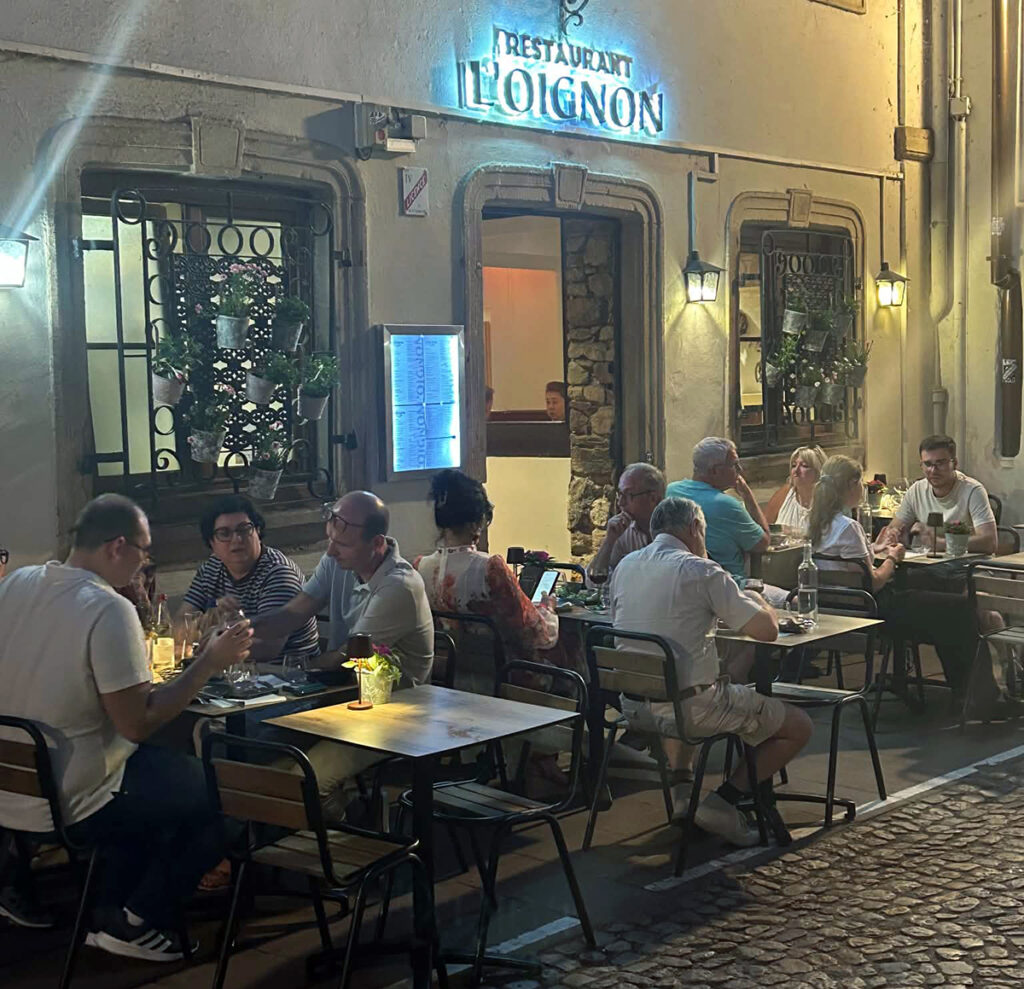
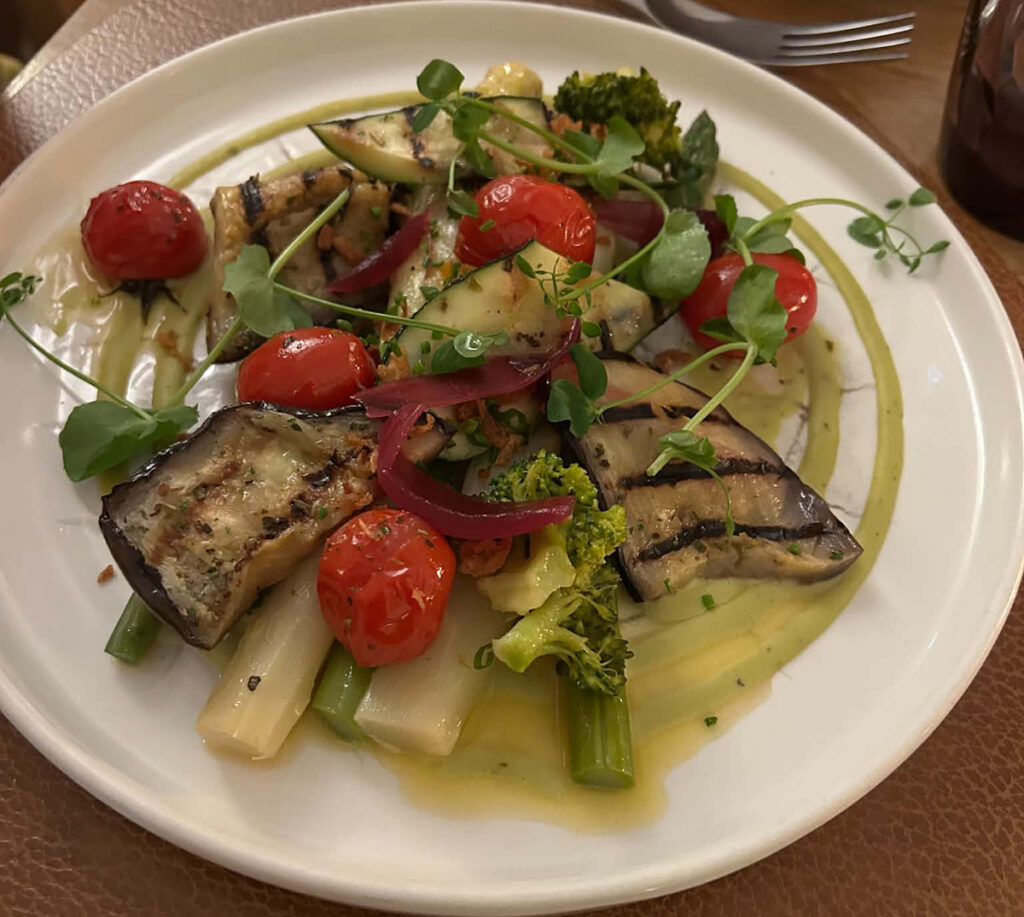
A corollary to the above, many well regarded chefs are raised cooking with what we would not think of as fit to eat. It was the result of the poverty and hardship prevalent in earlier times. People cooked what they could find and afford. But there were many local dishes we were not prepared to even try, when we asked about it. That was true of L’Eveil de Sens, which loosely translates as Opening the Senses, a restaurant in Strasbourg, France, where we learned about life in an area traded back and forth, many times between the French and Germans between 1871 and 1945. There was nothing on the menu Karen would eat. She advised the waiter that she was vegetarian and was told the chef was as well. She had a wonderful vegetable dish not on the menu she would have missed if we had simply not asked.
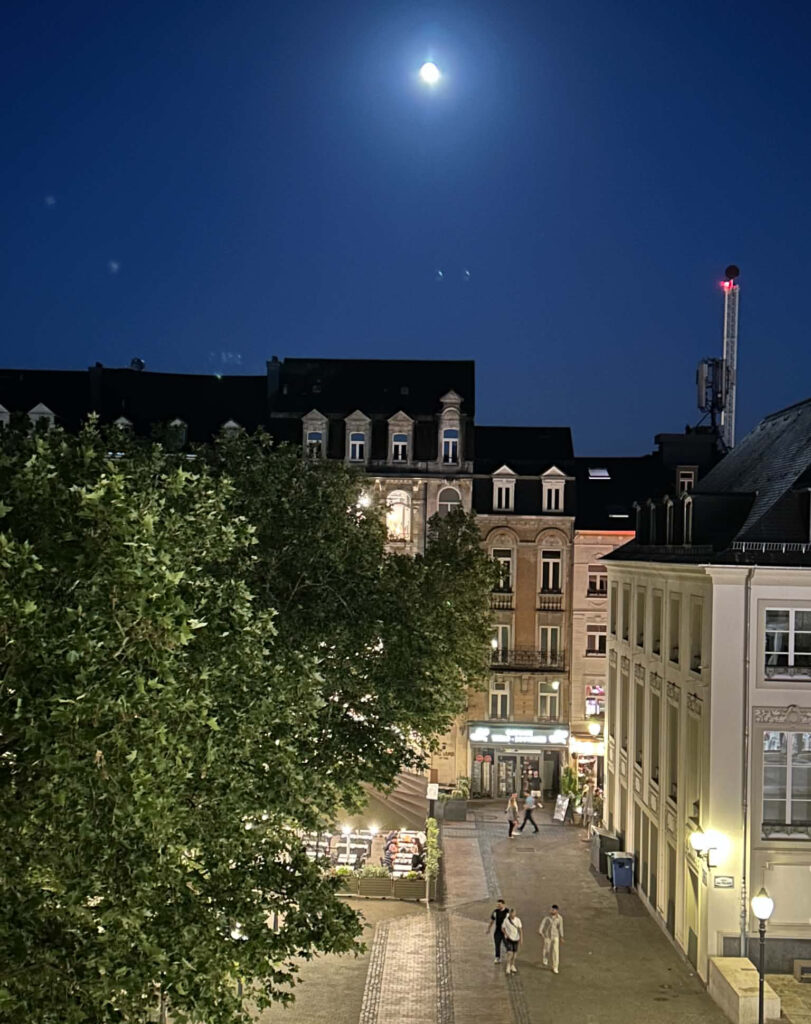
Apart from the three insights and corollary, in Luxembourg we stayed at Place des Armes Hotel, which is right on the main square in old town. It was recognized as a Michelin Hotel. Everything about it justified that rating. The service was superb, the rooms were excellent, although a bit hard to access as the hotel was assembled from multiple buildings in the city just fifteen years ago, and the restaurant served one of the top ten best meals I have had in recent memory. (They also informed us the Luxembourg produces a lot of white wines along the border with Germany and the Rhine river valley.) We had an excellent bottle with the meal that evening in their rooftop fine dining restaurant.
A recent blog I read tired to convince me that most people pick out a type of wine and often single producer which they always drink. That blogger was convinced that wine style had a lot to say about the type of person who drank it. I am not sure what it says about us that we find trying something new everywhere we go exciting. It is the unknown, the serendipity, and the amazing discoveries we make that inform our next trip and next purchase.