
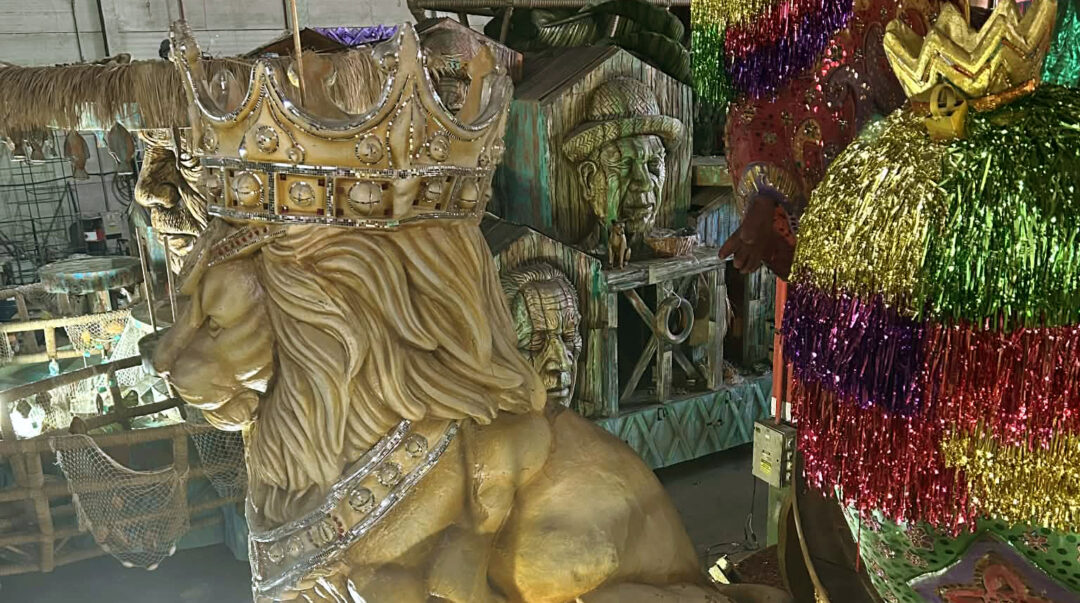
We recently visited Rio on a cruise. Arriving in March, we missed Carnaval, the massive street parade that puts Mardi Gras to shame. We visited Samba City, a collection of warehouses near the cruise ship port. It is where the floats and costumes are made, and the dancers practice their routines, for a year in advance.
Our guide, Lia, was one of the dancers, but not Brazilian. She moved to Rio from Buenos Aires, Argentina just to participate in the Carnaval. She was hired to the event staff and has now been learning Portuguese and French to be able to better communicate with the locals and guests coming to visit.
Lia informed of us that Carnaval is much like the English Premier League of Soccer. Twelve dance clubs compete for the top honors each year. The club that finishes last in the judging is demoted from the parade and the best of the rest is elevated for the next year.
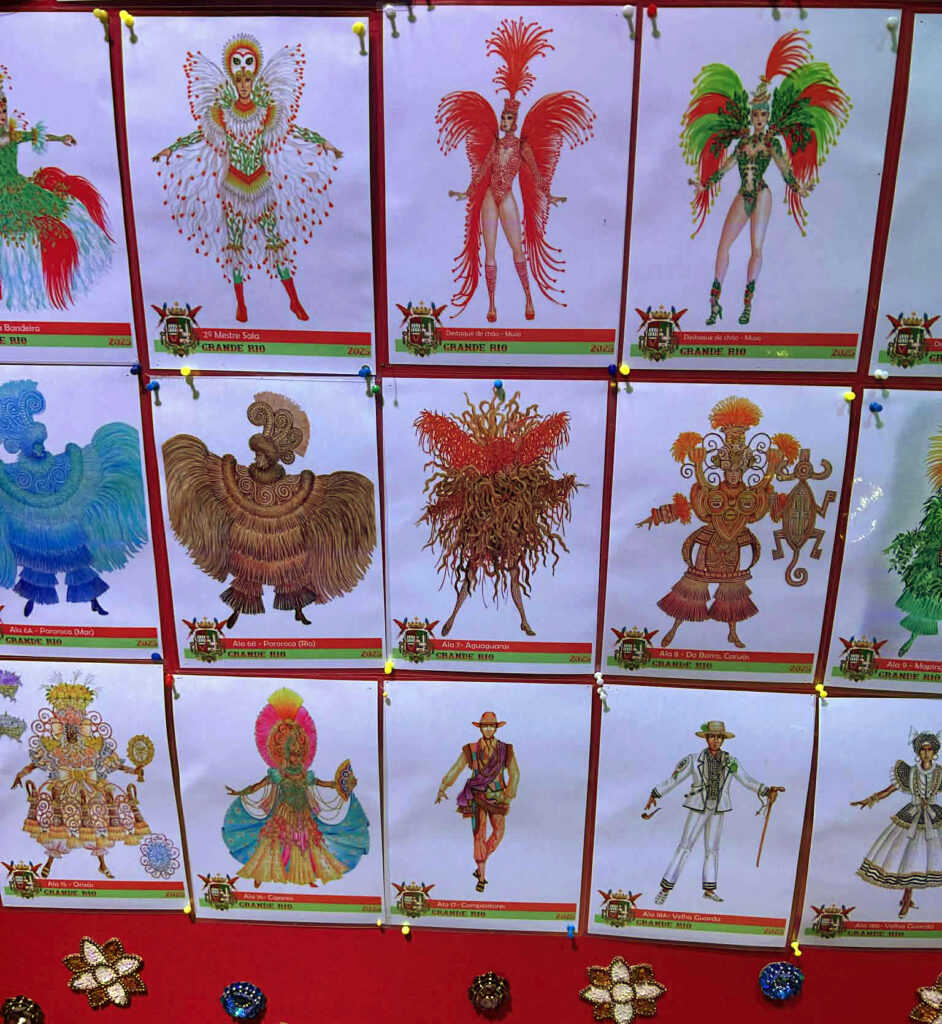
The event is massive. There are three thousand dancers in each of the twelve clubs. Generally, around one hundred individuals wear the same hand-made colorful and unique costume. One individual designs and directs the production of the costumes for each dance club. Drawings of each costume decorate one wall in each club warehouse, although they are of the past year. The reason for this is to ensure that no other club will copy the costumes of a different club. The floats depict some aspect of the theme of the Carnaval, selected before the prior year event. They most often are mounted on a truck chassis and folded to permit driving to the site of the event, where they are opened up and out. A few dancers are generally on the massively colorful floats, which are mounted on steel frames and made of Styrofoam, wood and ropes, painted to seem realistic.
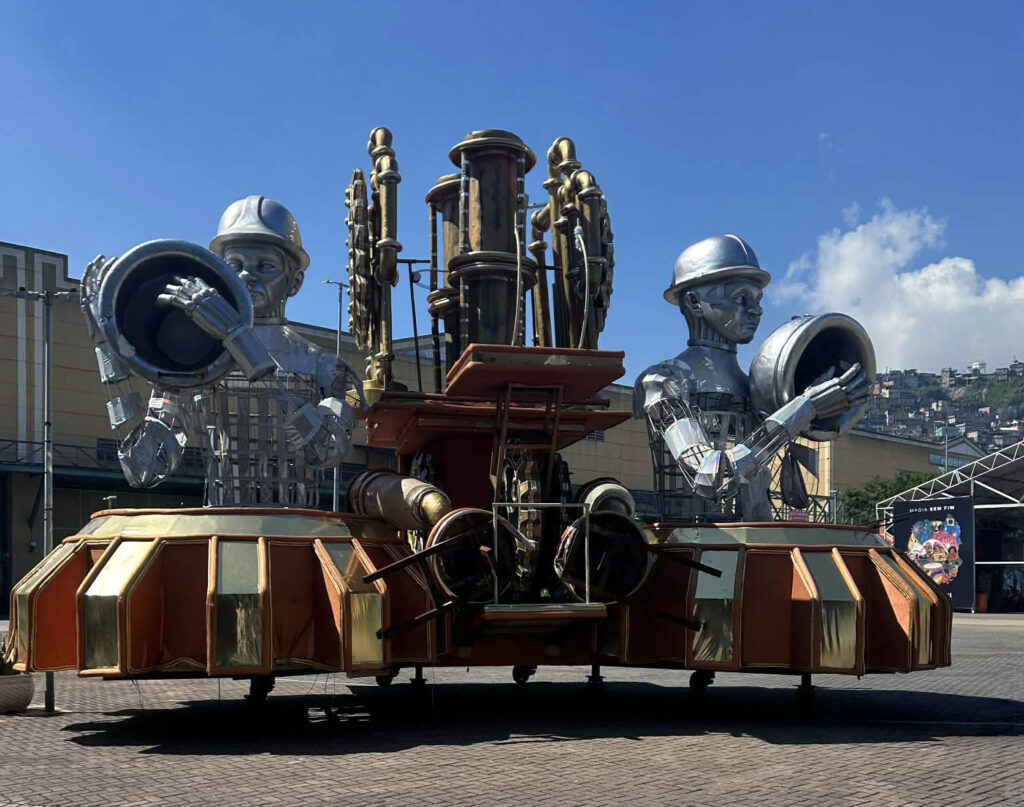
February, which is the date of the event, moving around from year to year to precede Easter, is the hottest month of the year. In recognition of the toll this took on the dancers, they recently changed the schedule to run from 9 pm to 4 am over three days, rather than over two, starting during the daylight hours. We learned that most who come for the parade stay only for the first dance club of four each night as it takes nearly two hours for each club to make the journey.
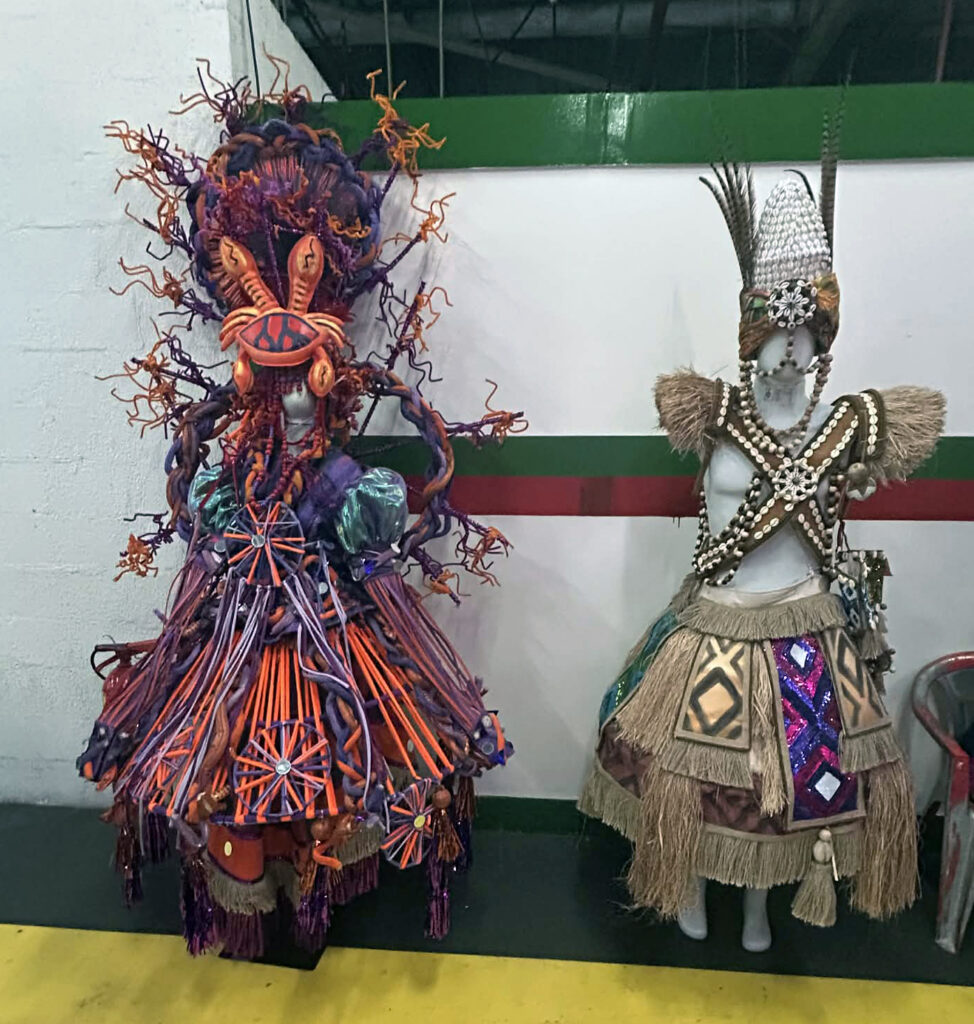
We observed a short film of the prior year’s parade. One dancer was wearing a costume that looked like a vine, covering only three strategic spots. Lia informed us that she will not be permitted to dance in 2027 because she had become too fat. In looking at the film, if that was the definition of fat, there would have been no need to create Ozempic. Lia went on to say that the governing board is dominated by men with money and influence, which the Carnaval is dependent upon to continue. They get to make whatever rules they wish.
Some day we hope to return to Rio to see Carnaval in person and the fruits of another generation of all those labors.